

News
Here you will find the latest analyses, market trends, and regulatory developments related to photovoltaics and energy storage. Our editorial team breaks down complex topics into easy-to-understand terms—with concrete recommendations for investors and businesses.

Photovoltaics in Portfolio Planning: How Does a Financial Advisor Classify PV Systems?
Money market accounts yield almost nothing in real terms—is a solar power system worth including as a tangible asset in your portfolio? A financial advisor explains asset allocation, after-tax returns, and the four risks that no salesperson will mention on their own.
Section 14a of the Energy Industry Act (EnWG) and Battery Storage: What Do Investors Need to Know in 2026?
As of January 1, 2024, new battery storage systems with a capacity exceeding 4.2 kW fall under Section 14a of the Energy Industry Act (EnWG)—with reduced grid fees and guaranteed grid connection in return. What investors need to know in 2026.

Grid Fees in 2026: What Does the AgNes Reform Mean for PV Investors?
On August 6, 2026, the Federal Network Agency published the complete draft of the AgNes regulations. It ties the grid fee exemption for storage systems to a final investment decision made before January 1, 2027—which must be documented by March 31, 2027. The consultation period runs through September 18, 2026.
Photovoltaic Expansion in 2026: What the Numbers Mean for Investors and Businesses
Net PV capacity additions totaled 7,394.4 MW in the first half of 2026—nearly on par with the previous year. However, the mix has shifted: For the first time, ground-mounted systems accounted for more capacity than all rooftop systems combined, while the number of new installations plummeted by 18 percent.

Italy's solar market is shrinking in 2025: Why are small-scale systems losing ground while utility-scale systems are growing?
With 6.4 GW of newly connected PV capacity, Italy’s expansion in 2025 was five percent below the previous year’s level and 660 MW below the PNIEC target (Italia Solare, Feb. 7, 2026). Why this decline means a different market for German direct investors than in 2022—data, strategy, and 2026 forecast.
Negative Electricity Prices in 2026: How Often They Occur and What They Cost PV Investors
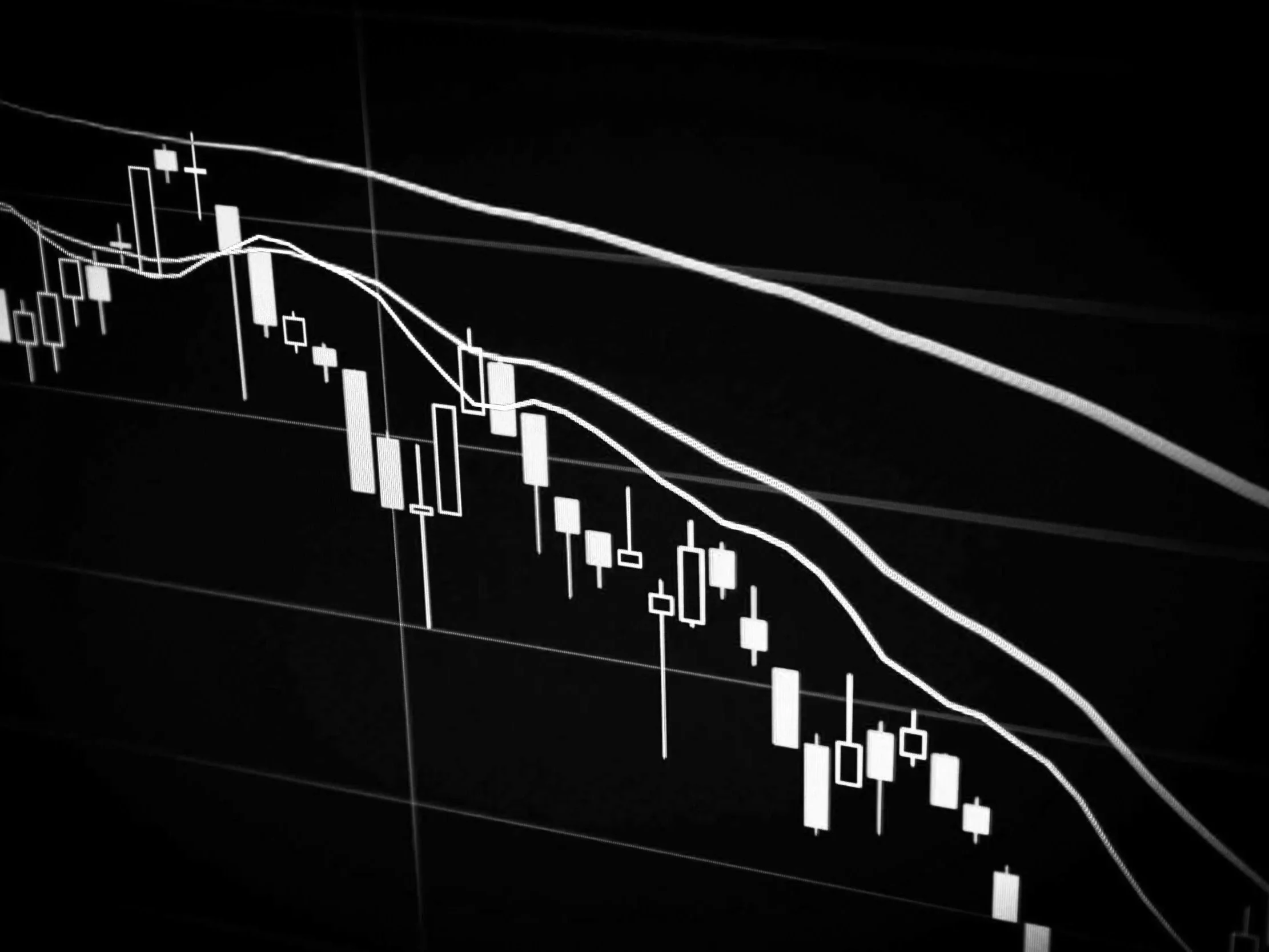
In 2025, the exchange price was below zero for 573 hours. How often do negative electricity prices occur, when exactly—and why it is not the exchange figure that counts for revenue calculations, but rather the figures reported by the transmission system operators.
The Photovoltaic Industry: The Complete Guide for Business & Industry 2026
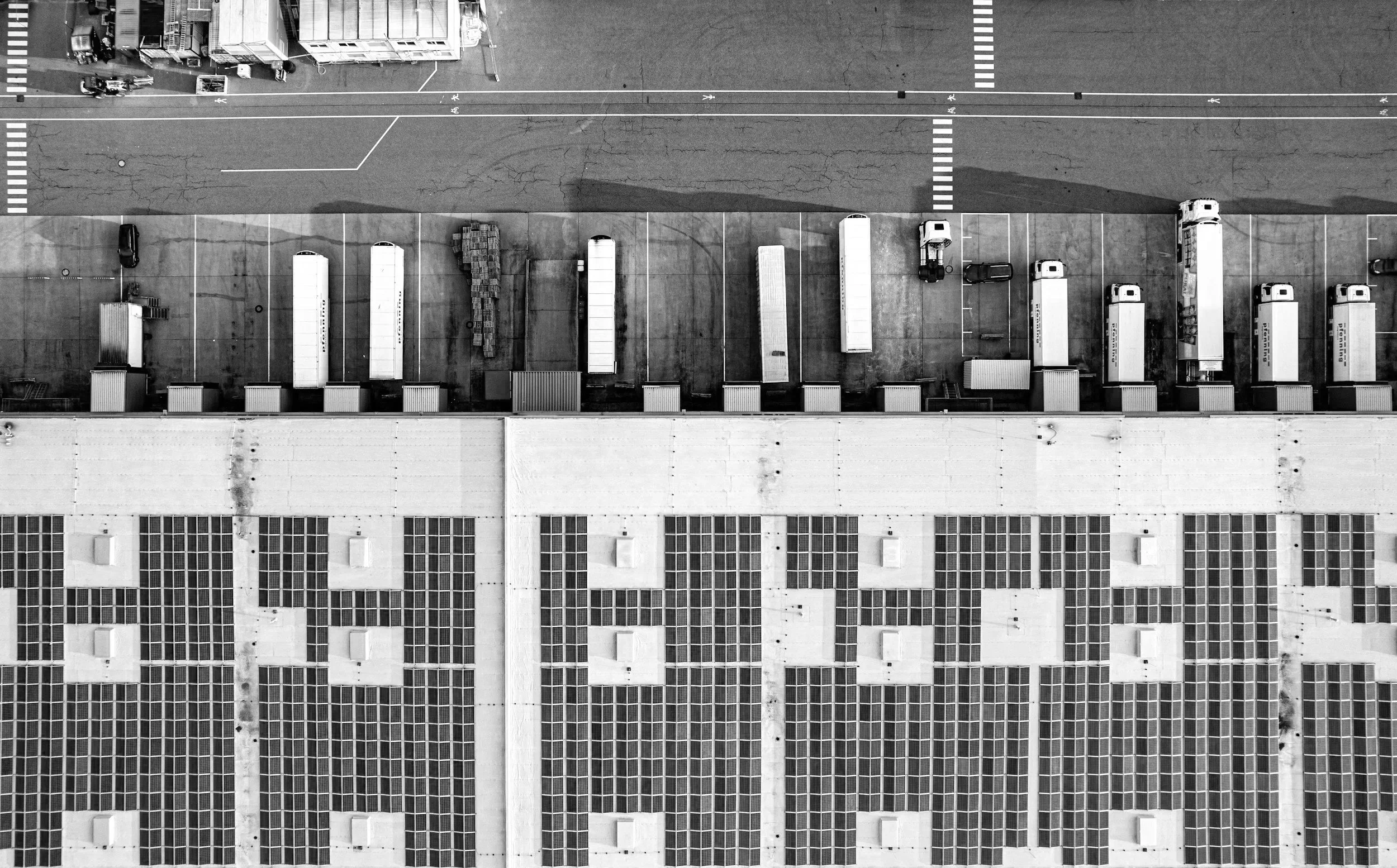
Over 90% of industrial roofs in Germany lie idle—yet they hold more than 33 GW of untapped solar potential. This guide explains the actual costs and benefits of a PV system on your industrial roof, as well as the regulatory considerations for 2026.

Photovoltaics as an Investment: A Comparison of ETFs, Real Estate, and Money Market Accounts in 2026
6–10% return, tax leverage according to the IAB, and 20 years of EEG security: How photovoltaics stack up as an investment in 2026 against ETFs, real estate, and money market accounts—honestly and with verified figures.

Solar Power Systems with Battery Storage: What Co-Location Means for Return on Investment, Self-Consumption, and Cost-Effectiveness
Co-location combines a PV system and battery storage behind a single grid connection—resulting in a project IRR increase of approximately 29% due to shared infrastructure. An overview of technology, tax, and incentives for 2026.

Solar Power for Freelancers in 2026: Take Advantage of Tax Incentives, Avoid the Business Tax Trap
Photovoltaics offer freelancers a 6–10% return plus IAB and special depreciation benefits—but in a group practice, there is a risk of being classified as a commercial enterprise. This article analyzes the scenario and shows how spinning off the business avoids the trade tax trap.

PV Investment Italy 2026: Market Analysis, FER-X & Strategies
Italy’s solar market is set to experience structural growth in 2026—but the Decreto Bollette and the TIDE reform make blind investments risky. FER-X auctions with 818 bids totaling 10+ GW and a national storage target of 58 GWh by 2030 show that the market is becoming polarized.

Photovoltaic Depreciation in 2026: Deducting a PV System for Tax Purposes Using IAB, AfA, and Special AfA
Anyone who depreciates a commercial PV system can combine the investment deduction, special depreciation, and declining-balance depreciation, thereby claiming up to 77.5 percent of the investment as a tax deduction in the first two years.
The Logic Energy Investor Model
Investors purchase their own PV system; Logic Energy builds and operates it—the revenue from electricity sales goes to the investor. True ownership with personal liability.

The Solar Peak Act and Section 51a of the EEG: What Do PV Investors Need to Know Now?
As of February 25, 2025, the feed-in tariff for new PV systems will be suspended as soon as the market price turns negative—effective immediately. Section 51a of the EEG recoups downtime through a factor of 0.5 at the end of the system’s operational life. What investors need to know about zero feed-in tariffs, compensation, and grandfathering provisions.

Solar Investment in 2026: How Much Does a Solar System Cost? An Overview of Costs, Incentives, and Payback Period
How much will a solar power system cost in 2026? This cost overview provides system prices by system type, battery storage costs, subsidies (IAB, KfW 270), and realistic payback periods—so your calculations are based on reliable figures.

EEG Feed-in Tariffs for 2026: What feed-in tariffs will apply starting in August—and what changes will the EEG 2027 bring?
What will the feed-in tariff be in 2026? Since August, the rates have been 7.70 ct/kWh (partial feed-in) and 12.22 ct/kWh (full feed-in). Here are all the rates by power class, trends since 2000, and the implications of the 2027 EEG reform for investors and businesses.

Solar System Return on Investment in 2026: Three Scenarios for Commercial and Industrial Properties with Their Own Systems
What return will a commercial solar system generate in 2026? Three detailed scenarios—generation, storage, and open-space installations—show the IRR, payback period, and the true driver of returns: self-consumption.

Direct Investment in Solar Power in 2026: What Is It, What Are the Benefits—and Who Should Consider It?
A direct investment in photovoltaics makes you the owner of an actual PV system—no fund shares, no loans, no ETF shares. This guide explains returns, tax benefits, risks, and how it differs from solar funds, crowd investing, and solar ETFs—backed by facts and without any product pitch.
Utility Bill Decree (Law 49/2026): ETS Refunds Continue Without EU Approval
Italy’s energy decree was intended to reimburse gas-fired power plants for their CO2 costs and drive down the wholesale price. Six months after it took effect, this very mechanism cannot be implemented—it hinges on an EU approval that has not yet been granted. What PV investors with exposure to Italy should take away from this.
Direct Sales of PV Electricity in 2026: What Are the Benefits of the Market Premium—and What About the Exchange Price?
Direct sales of PV electricity tie revenue to the exchange—mandatory for systems of 100 kWp or more. Solar market value, market premium, costs, and four revenue strategies for 2026, with current ct values.