

News
Here you will find the latest analyses, market trends, and regulatory developments related to photovoltaics and energy storage. Our editorial team breaks down complex topics into easy-to-understand terms—with concrete recommendations for investors and businesses.

Energy Sharing 2026: How do you share solar power under Section 42c of the Energy Industry Act (EnWG)?
Energy sharing has been permitted since June 1, 2026, under Section 42c of the Energy Act (EnWG)—here’s how to account for solar power shared via the public power grid.

Solar Farm Return on Investment in 2026: How to Calculate IRR per Hectare
Solar System Return on Investment in 2026: 7–10% IRR, 8–10-year payback period. Three scenarios for generation, storage, and open-space installations, with EEG rates effective August 2026.

Battery Storage Safety in 2026: What Investors Need to Consider During Due Diligence
The main risk isn't the cell itself, but the design. What testing certifications battery storage investors should require in 2026—from UL 9540A to thermography.

Solar Package 1: What Changes for PV Investors and Businesses?
Solar Package 1 reduces red tape and increases feed-in tariffs for commercial photovoltaic systems—but the most important improvements for investors remain subject to EU state aid approval. What’s already in effect and what’s still pending—as of July 2026.
Leasing Your Roof for Solar Power: What Are the Benefits of Leasing Your Roof Space?
If you own a large commercial or industrial roof, you can lease it out instead of investing in it yourself: An operator installs the solar power system at their own expense, operates it, and pays a lease fee. This guide explains lease models, lease amounts, lease terms, and land registry protection for commercial properties—as of 2026.
Buying a Post-EEG Solar Power System: Is the Secondary Market Worth It for Investors in 2026?
PV systems that have exhausted their feed-in tariff support are becoming their own secondary market. How a post-EEG system is valued based on the income value of its remaining term—and why the 2027 EEG reform affects only new systems.
How much will a 100-kWh energy storage system cost in 2026? Prices for Commercial & Industrial Customers
How much will a 100-kWh energy storage system cost in 2026? The guide for decision-makers in commerce and industry who are planning or comparing storage systems of this size—covering cost per kWh, technology, incentives, and cost-effectiveness.
Capacity Market 2026: What the Electricity Act Means for Battery Storage Investors
Germany is introducing a capacity market. This opens up a new source of revenue for battery storage in the long term—though there will still be hurdles to overcome in 2026. What the Electricity Capacity Market Act (VKG) entails.
How will photovoltaic prices trend in 2026—and what does that mean for investments?
Module prices rose for four consecutive months through April 2026—the increase has stalled since July, and the trend for TOPCon is pointing slightly downward. Why the widely circulated explanation about export taxes doesn’t hold up, and why the module price is the wrong lever to adjust in terms of timing.

Agri-PV in Italy as an Investment in 2026: Is It Worth It for Investors?
DM 436/2023 provides support for agrivoltaics with a subsidy of up to 40% plus a 20-year feed-in tariff. What this means for investors with at least €100,000 in the Italian agri-PV market in 2026.

Expanding an Existing Solar Power System: Here's How for Businesses
Want to make use of unused roof space and increase your yield? When expanding an existing PV system, EEG thresholds and tax status are key factors. The 2026 Commercial Guide.

PV Investment Risk 2026: The Skeptics' Hub for Investors in the Due Diligence Phase
Eight risk areas that every PV investor must examine during the due diligence phase in 2026—ranging from revenue write-offs due to negative electricity prices to provider bankruptcies and Italy-specific retroactive regulatory interventions. Includes specific case numbers, mitigation strategies, and a checklist.
Should You Buy an Existing Photovoltaic Plant or Build a New One? The 2026 Investor Comparison
Should you buy an existing plant or build a new one? It’s no longer possible to have both a high feed-in tariff and a long remaining term at the same time. The 2026 Investor Comparison, featuring a present value table, key considerations, and the current EEG rates.
Inverter-Based Power Sharing: An Explanation of Photovoltaic Power Sharing Through a Single System Component
The inverter yield share program is the Helm Group’s photovoltaic investment opportunity: Investors purchase the inverter for a specific PV system and receive a share of the actual electricity yield—backed by the personal liability of the owners of mediplan Helm e.K.
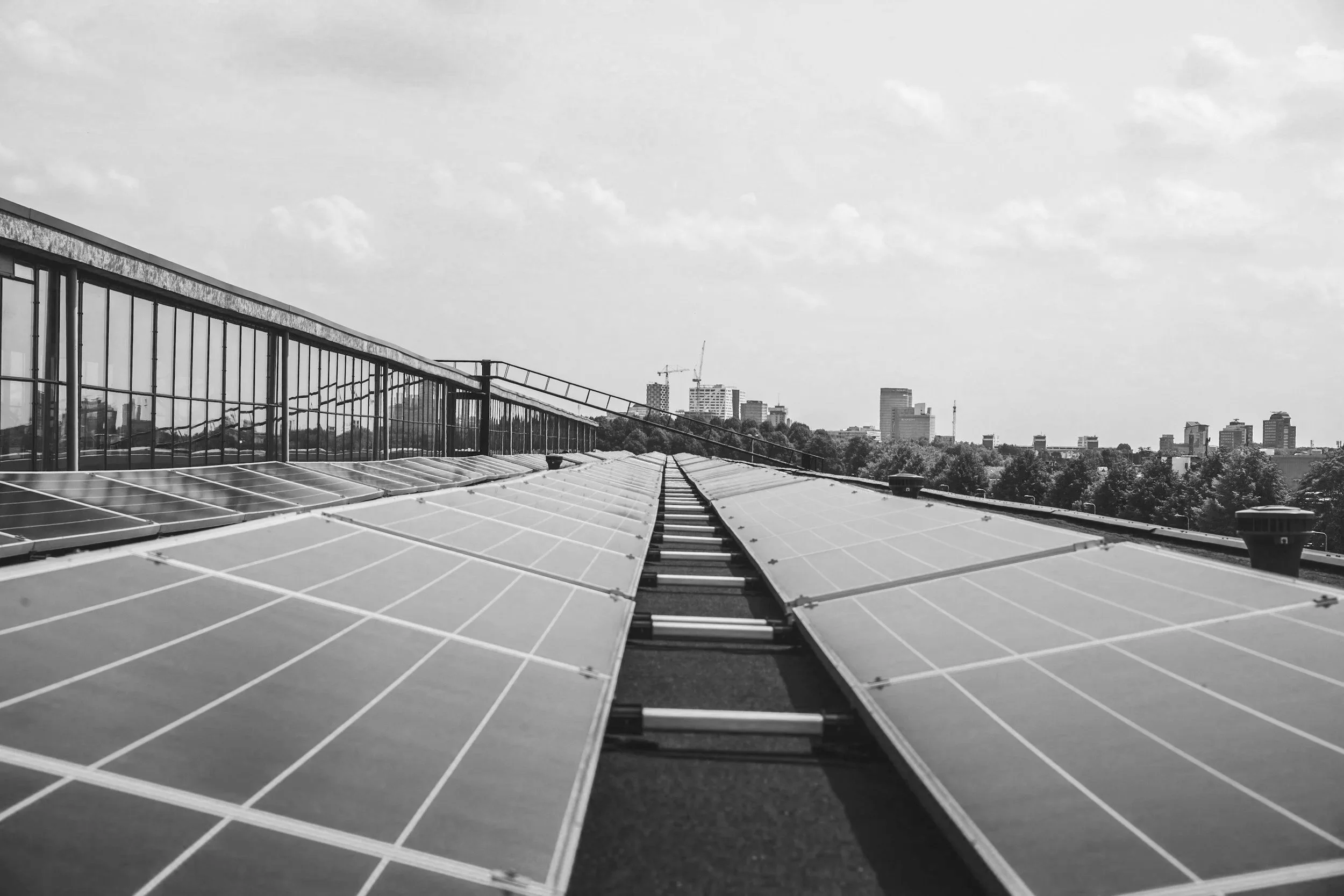
Is Installing Solar Panels on a Warehouse Worth It? The 2026 Logistics Guide
Large warehouse roofs represent Germany’s largest untapped solar surface area. How logistics companies can use them to generate 500 kWp, save approximately 55,000 EUR in electricity costs per year, and take advantage of tax incentives through the end of 2027—the 2026 Guide.
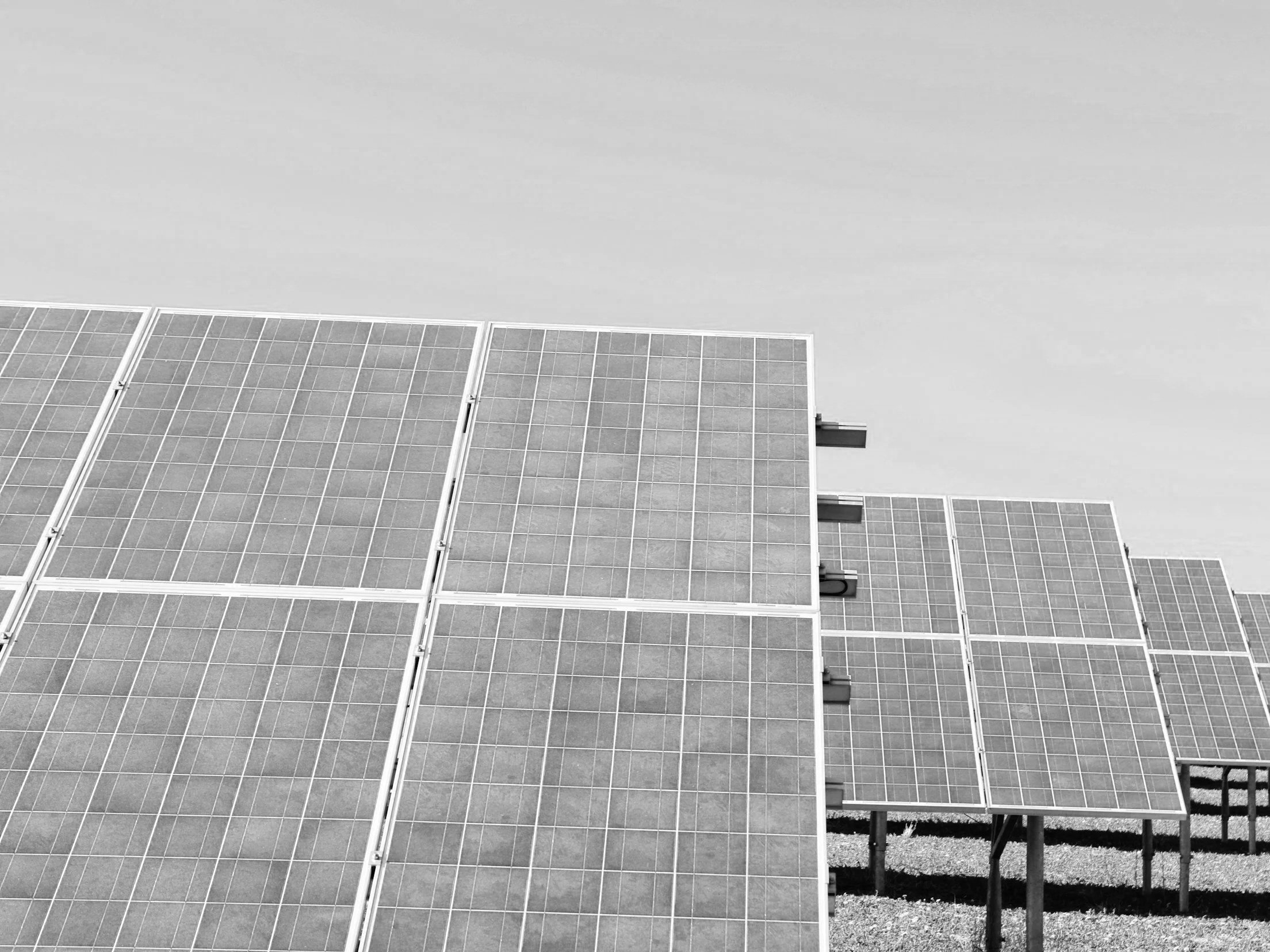
Photovoltaic Contracting 2026: Which Models Make Financial Sense for Your Business?
Photovoltaic contracting shifts the investment in and operation of a solar system to a service provider—you simply purchase the electricity generated by your own roof for 8 to 14 cents per kilowatt-hour instead of 16.7 cents. A comparison of four models and when an upfront investment is still worthwhile.
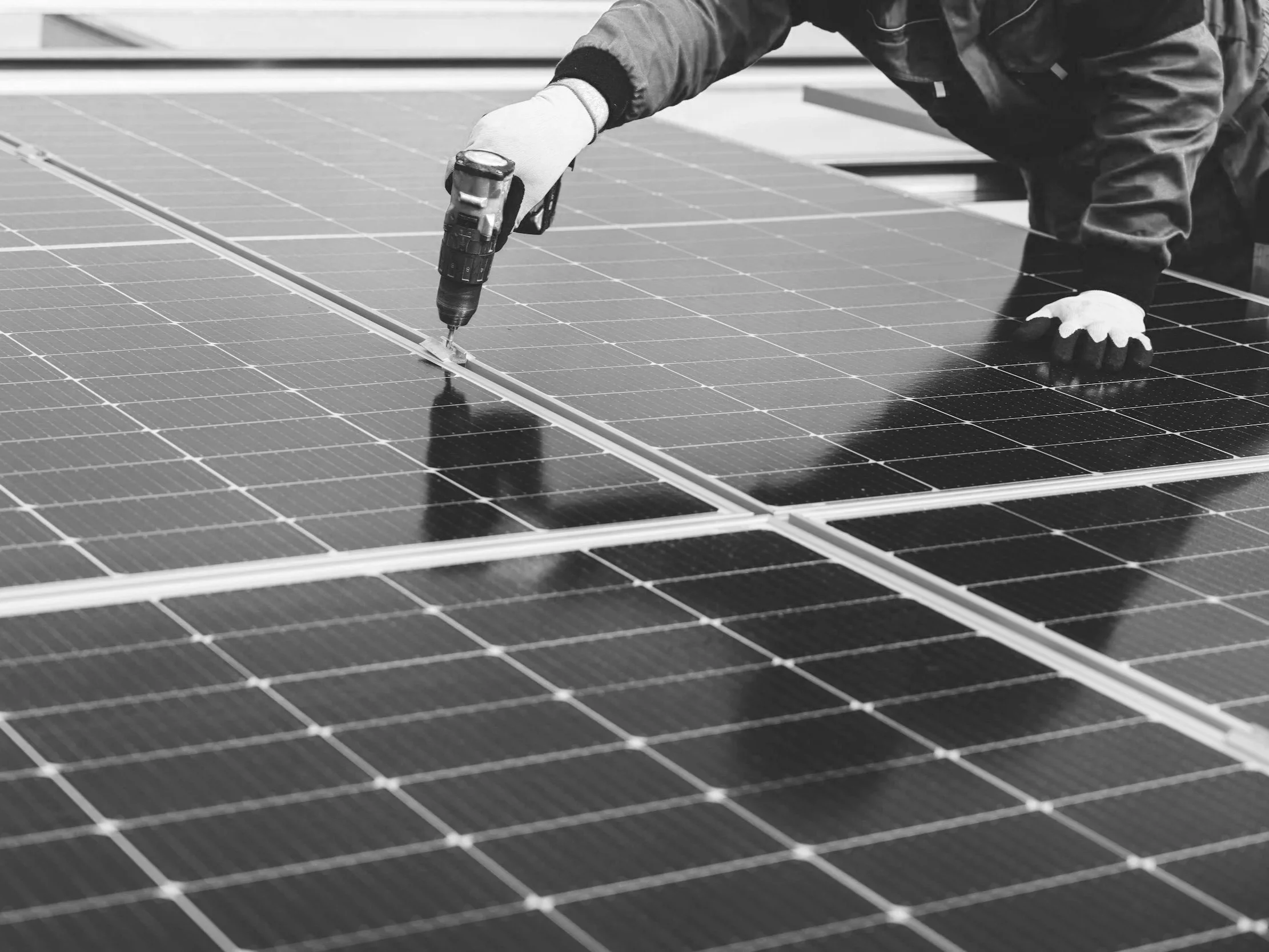
PV Repowering 2026: How Industrial Companies Are Modernizing Their Existing Plants and Selling Them to Investors
Existing systems on industrial and commercial roofs built between 2010 and 2017 will reach their repowering window in 2026: TOPCon modules deliver +70 to 150% output, Solar Package 1 qualifies for EEG feed-in tariffs, and investors pay 8–12× EBITDA.

Tangible Assets as a Hedge Against Inflation in 2026: Which Tangible Assets Offer Real Protection—and Why Solar Power Fills the Gap
Inflation back at 2.8%, overnight money at a real negative rate, ECB rate hike in June 2026: A sober comparison of gold, real estate, bonds, and solar power—taking into account real returns, the § 7g tax leverage, and the CFD time window through July 17, 2027.

Solar Panel System After 20 Years — What Now? Options, Costs, and Outlook for Owners
In 2026, approximately 66,000 PV systems will no longer be eligible for EEG subsidies. What to do after 20 years? Feed-in tariffs, self-consumption, repowering, or decommissioning—including costs, legal frameworks, and the current rates effective August 2026.

PV Crowdinvesting vs. Direct Investment in 2026: What Investors Really Need to Compare
Solar crowdinvesting promises 5–10% interest starting at €100 — Direct PV investment delivers a base return of 6–10% and up to 10–12% with tax leverage starting at €100,000. A comparison with insolvency cases from 2024 to 2026 in Germany, Italy, and Spain.