

News
Here you will find the latest analyses, market trends, and regulatory developments related to photovoltaics and energy storage. Our editorial team breaks down complex topics into easy-to-understand terms—with concrete recommendations for investors and businesses.

PV-Investment Risiko 2026: Der Skeptiker-Hub für Investoren in der Due-Diligence-Phase
Eight risk areas that every PV investor must examine during the due diligence phase in 2026—ranging from revenue write-offs due to negative electricity prices to provider bankruptcies and Italy-specific retroactive regulatory interventions. Includes specific case numbers, mitigation strategies, and a checklist.
Wechselrichter-Ertragsbeteiligung: die Photovoltaik-Beteiligung über ein einzelnes Anlagen-Bauteil erklärt
The inverter yield share program is the Helm Group’s photovoltaic investment opportunity: Investors purchase the inverter for a specific PV system and receive a share of the actual electricity yield—backed by the personal liability of the owners of mediplan Helm e.K.

Tangible Assets as a Hedge Against Inflation in 2026: Which Tangible Assets Offer Real Protection—and Why Solar Power Fills the Gap
Inflation back at 2.8%, overnight money at a real negative rate, ECB rate hike in June 2026: A sober comparison of gold, real estate, bonds, and solar power—taking into account real returns, the § 7g tax leverage, and the CFD time window through July 17, 2027.
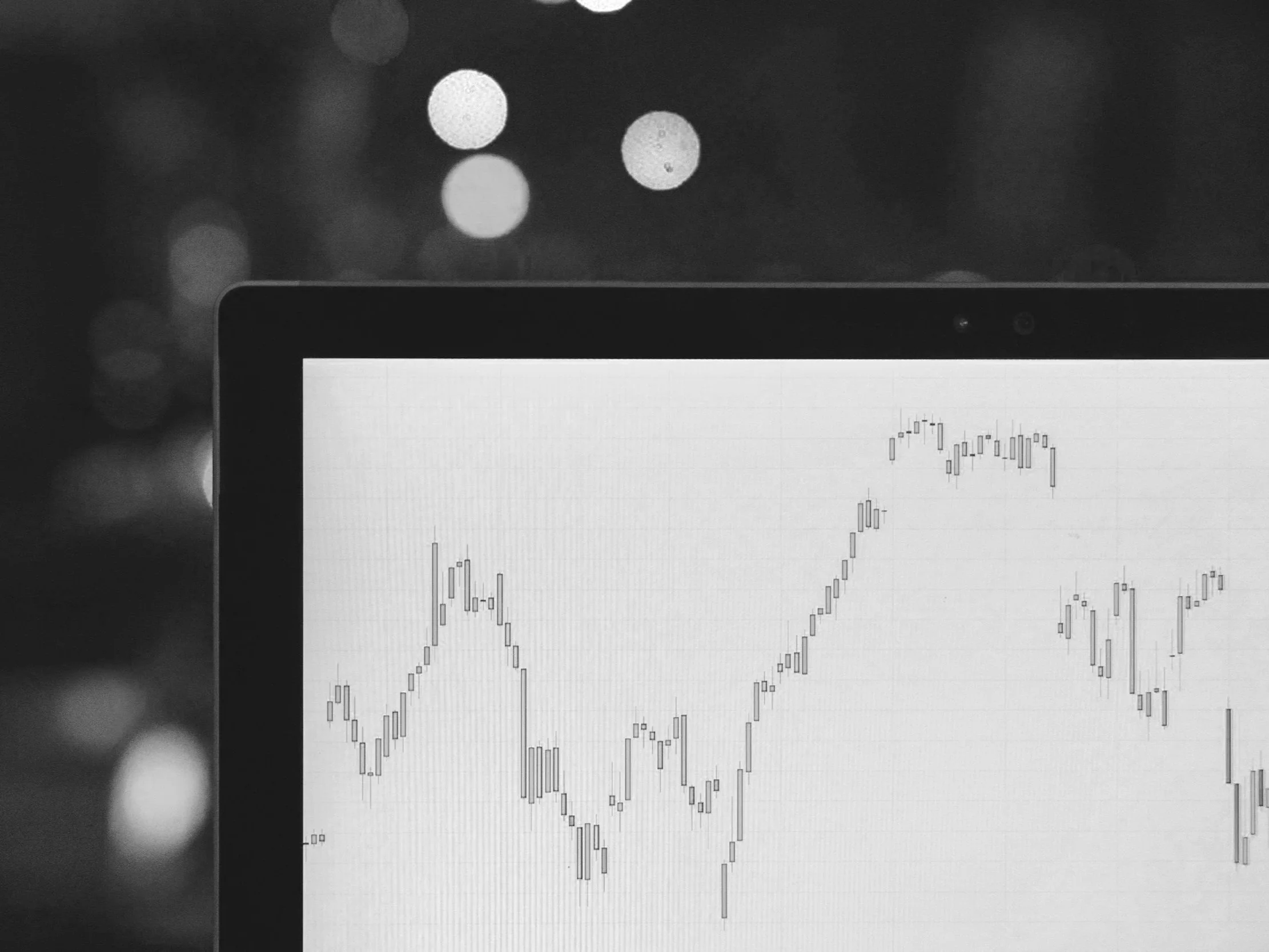
PV Crowdinvesting vs. Direct Investment in 2026: What Investors Really Need to Compare
Solar crowdinvesting promises 5–10% interest starting at €100 — Direct PV investment delivers a base return of 6–10% and up to 10–12% with tax leverage starting at €100,000. A comparison with insolvency cases from 2024 to 2026 in Germany, Italy, and Spain.
PV Yield per kWp in 2026: How Many kWh Are Realistic?
In 2026, a solar power system in Germany will generate an average of approximately 1,000 kWh per kWp per year; for south-facing systems, this figure ranges from about 970 to 1,130 kWh, depending on the region—the key metric for comparing systems of different sizes and locations. How this value is derived from irradiance, performance ratio, and degradation.
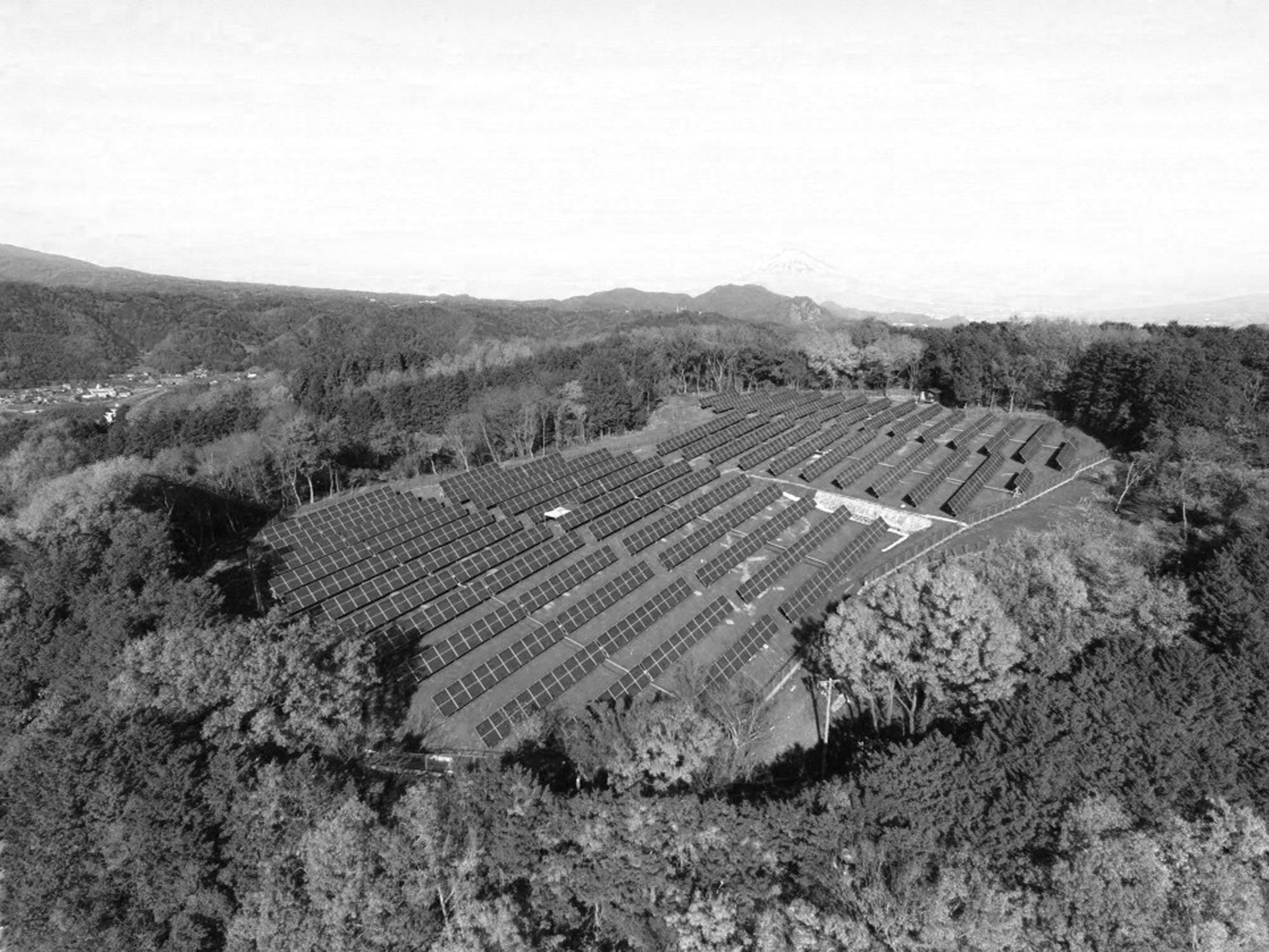
Investing in Renewable Energy in 2026: How Photovoltaics Stack Up Against Wind, Hydro, and Bioenergy
Anyone looking to invest in renewable energy in 2026 has four options: solar power, wind power, hydropower, and bioenergy. An honest comparison of returns, tax benefits, risk, and liquidity—with clear recommendations for investors with at least €100,000.
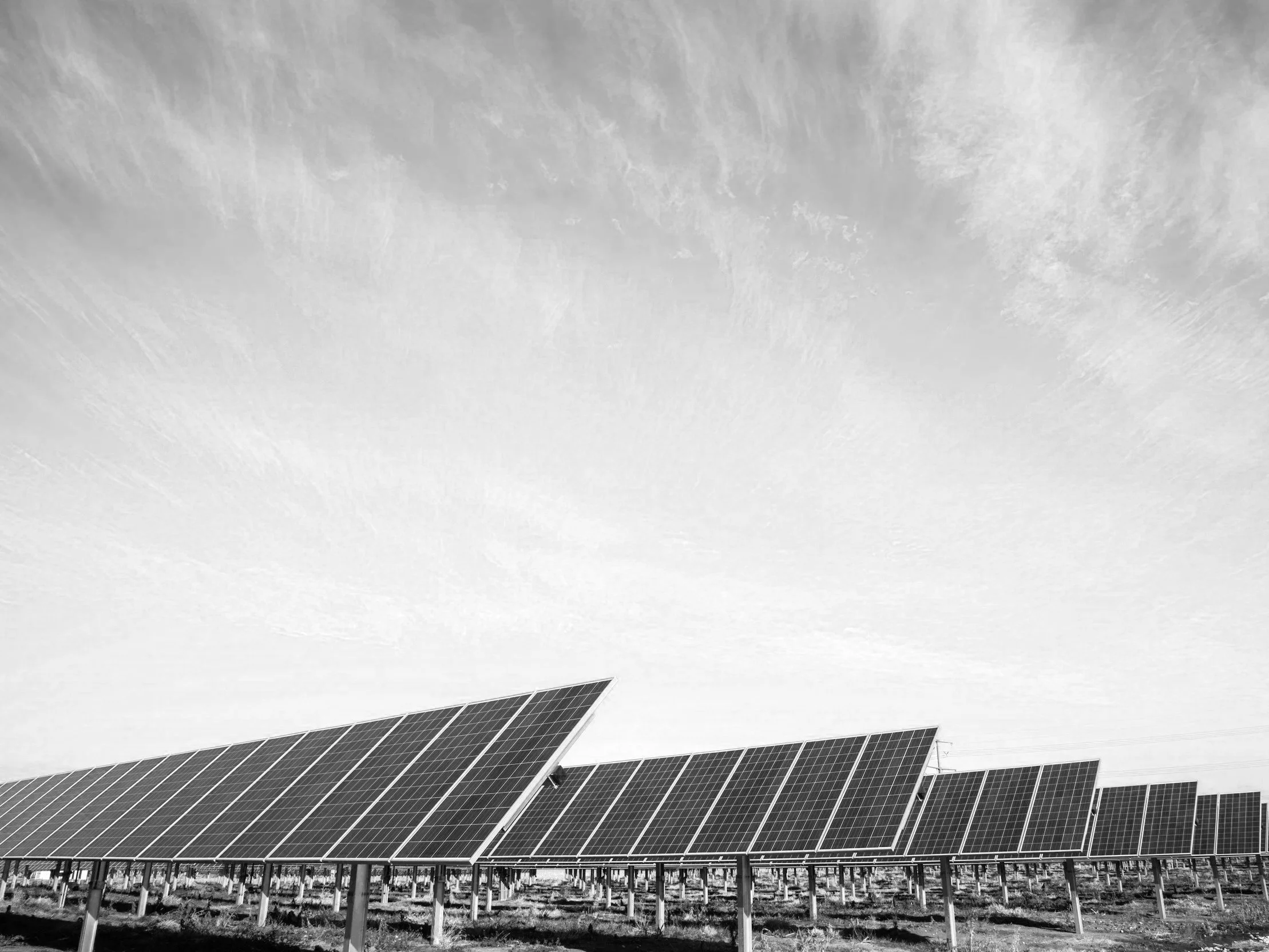
Agri-PV as an Investment in 2026: Why Investors with €100,000 Should Take Advantage of the Funding Window Now
The EU state aid approval for the EEG 2023 expires on December 31, 2026; the CfD requirement for systems of 100 kW or more is expected to take effect on July 17, 2027. What this timeframe means for agri-PV investments requiring at least €100,000 in equity—lease factors, Building Code (BauGB) exemptions, and return-on-investment ranges.
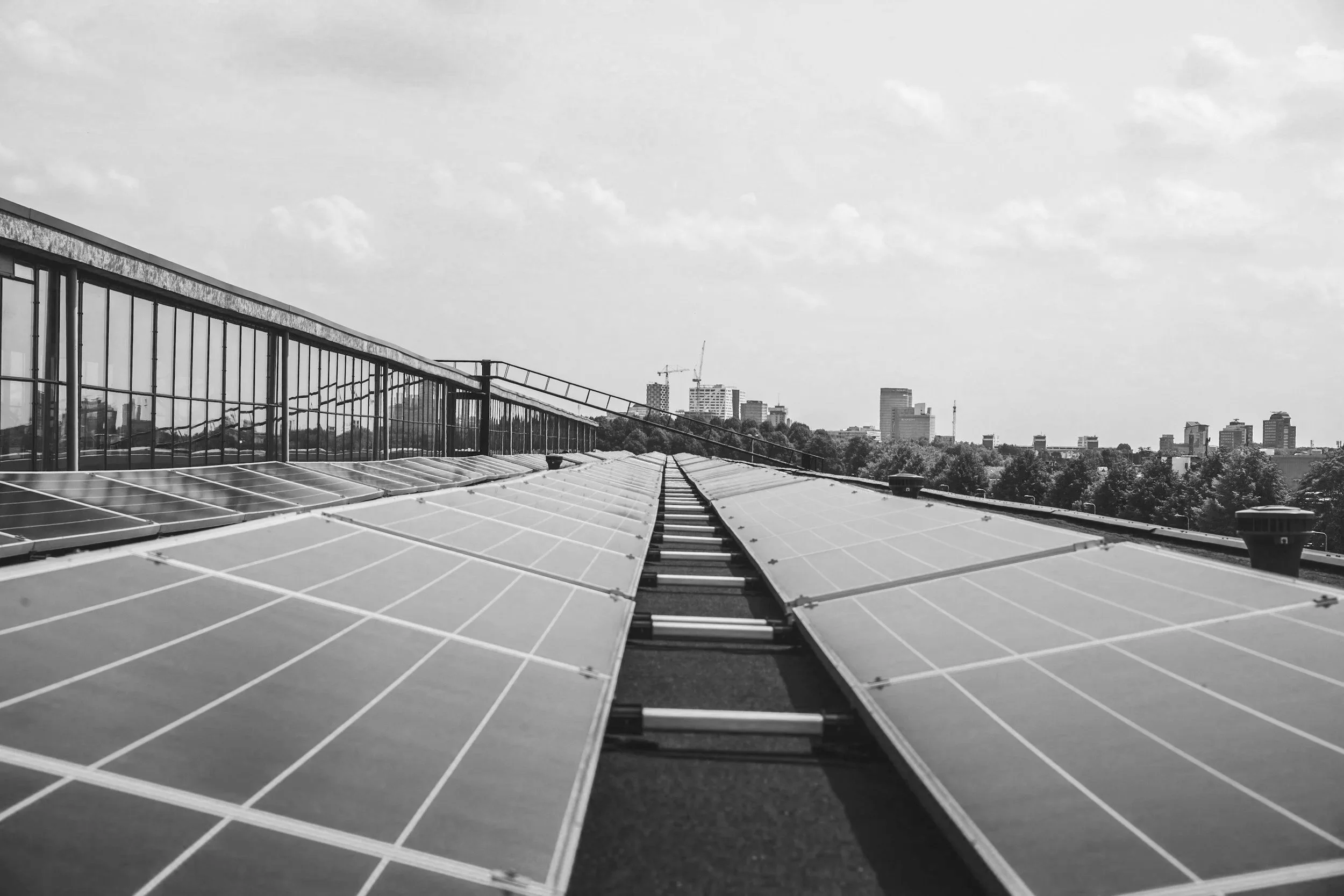
Battery Storage Investment in 2026: Revolution or Risk? Opportunities, Models, and Policy Leverage
Is investing in battery storage worth it in 2026—and how? Models, revenues, returns, and the tax incentives under Section 7g of the German Income Tax Act (EStG) and declining-balance depreciation in an honest analysis of opportunities and risks for commercial investors.

Photovoltaics in Portfolio Planning: How Does a Financial Advisor Classify PV Systems?
Money market accounts yield almost nothing in real terms—is a solar power system worth including as a tangible asset in your portfolio? A financial advisor explains asset allocation, after-tax returns, and the four risks that no salesperson will mention on their own.

Photovoltaics as an Investment: A Comparison of ETFs, Real Estate, and Money Market Accounts in 2026
6–10% return, tax leverage according to the IAB, and 20 years of EEG security: How photovoltaics stack up as an investment in 2026 against ETFs, real estate, and money market accounts—honestly and with verified figures.

Solar Power for Freelancers in 2026: Take Advantage of Tax Incentives, Avoid the Business Tax Trap
Photovoltaics offer freelancers a 6–10% return plus IAB and special depreciation benefits—but in a group practice, there is a risk of being classified as a commercial enterprise. This article analyzes the scenario and shows how spinning off the business avoids the trade tax trap.

Photovoltaic Depreciation in 2026: Deducting a PV System for Tax Purposes Using IAB, AfA, and Special AfA
Anyone who depreciates a commercial PV system can combine the investment deduction, special depreciation, and declining-balance depreciation, thereby claiming up to 77.5 percent of the investment as a tax deduction in the first two years.
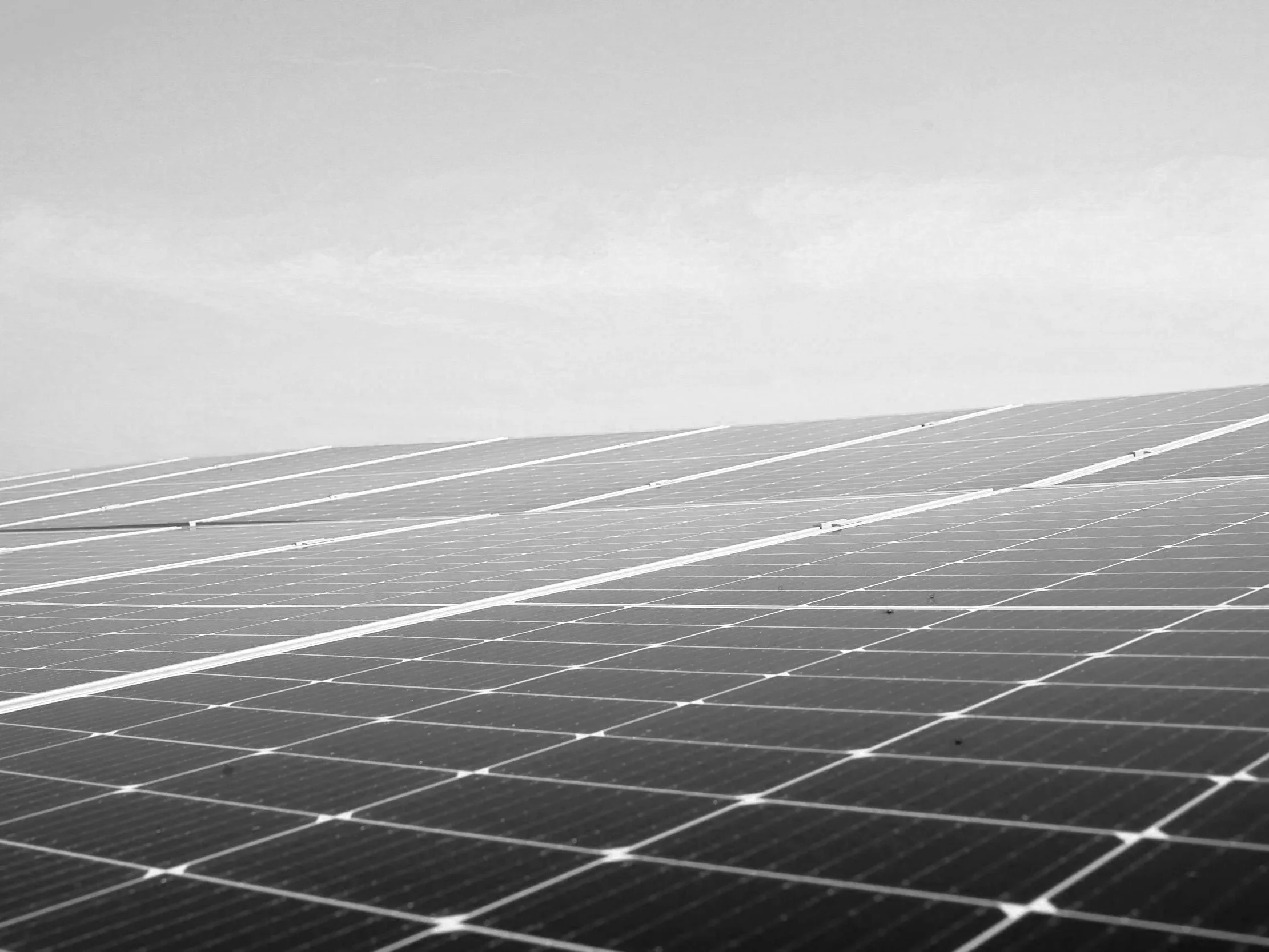
The Logic Energy Investor Model
Investors purchase their own PV system; Logic Energy builds and operates it—the revenue from electricity sales goes to the investor. True ownership with personal liability.

The Solar Peak Act and Section 51a of the EEG: What Do PV Investors Need to Know Now?
As of February 25, 2025, the feed-in tariff for new PV systems will be suspended as soon as the market price turns negative—effective immediately. Section 51a of the EEG recoups downtime through a factor of 0.5 at the end of the system’s operational life. What investors need to know about zero feed-in tariffs, compensation, and grandfathering provisions.

Direct Investment in Solar Power in 2026: What Is It, What Are the Benefits—and Who Should Consider It?
A direct investment in photovoltaics makes you the owner of an actual PV system—no fund shares, no loans, no ETF shares. This guide explains returns, tax benefits, risks, and how it differs from solar funds, crowd investing, and solar ETFs—backed by facts and without any product pitch.
Direct Sales of PV Electricity in 2026: What Are the Benefits of the Market Premium—and What About the Exchange Price?
Direct sales of PV electricity tie revenue to the exchange—mandatory for systems over 100 kWp. Market value of solar power, market premium, costs, and four revenue strategies for 2026, with current ct values.

PV Storage Arbitrage Returns: How Battery Storage Turns Negative Electricity Prices into Revenue
In June 2025, 46% of Germany’s solar power generation occurred during hours when electricity prices on the exchange were negative. How a co-located battery storage system reverses this mechanism—arbitrage, balancing energy, instantaneous reserve, and grid fee reduction in a return-on-investment comparison.

How will the KraftNAV reform affect PV investors and businesses?
KraftNAV determines who gets connected to the grid and when. Since the amendment in December 2025, it has been one of the most important factors for ground-mounted PV projects and battery storage systems—even for systems that do not fall within its scope.
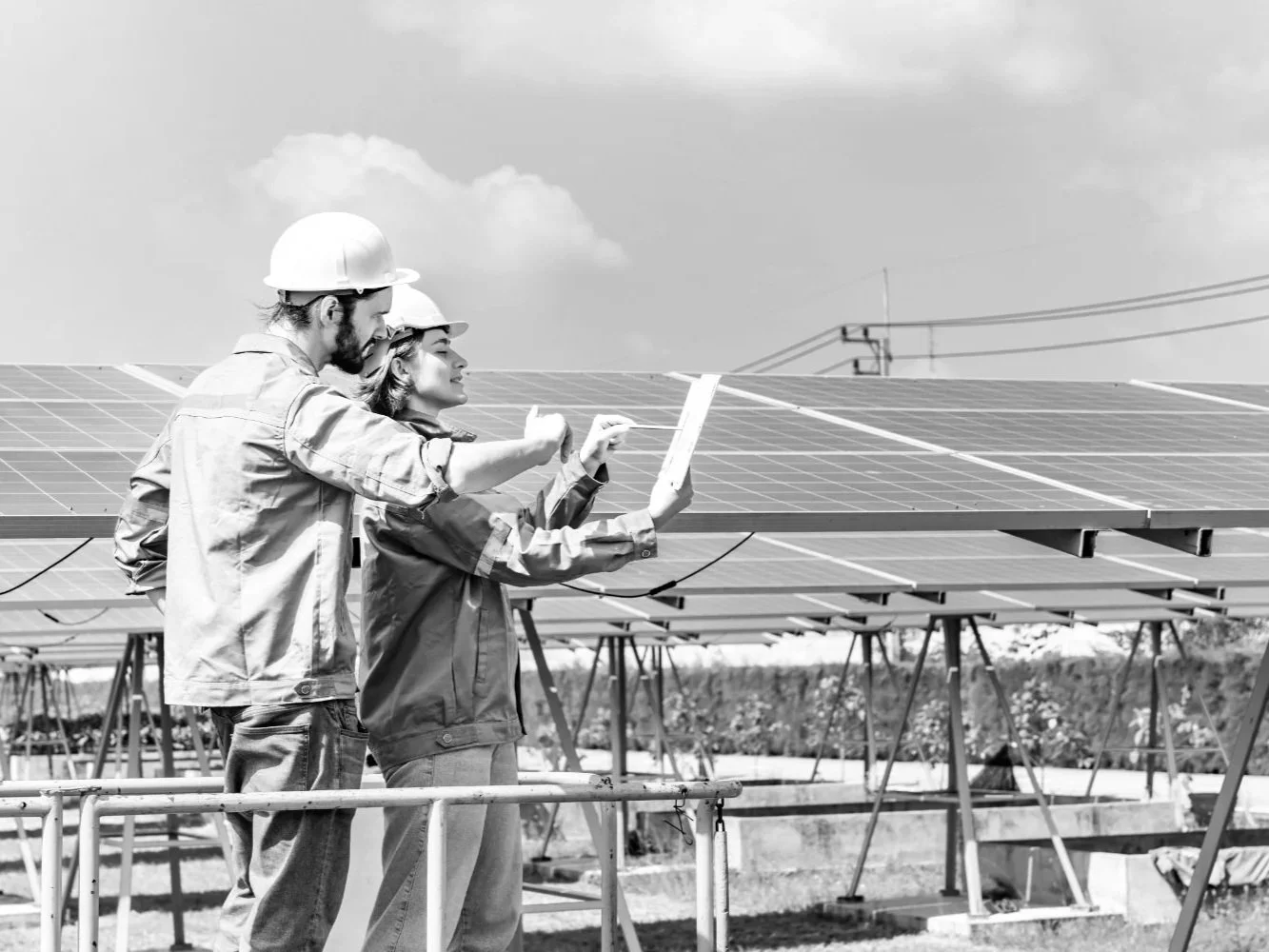
The European Solar Divide: Where PV Investors Can Still Find Returns in 2026
SolarPower Europe expects EU solar capacity additions to decline again for the first time in 2026. Spain added its largest capacity in 2025, at 13.4 gigawatts—with the lowest revenue per kilowatt-hour among the markets surveyed. What this means for the selection of countries.
Battery Storage, Dynamic Rates, and Solar Power: What the 2026 Research Findings Reveal for Direct Investors
Two independent studies conducted in 2025/2026 provide the first empirical evidence of what battery storage, dynamic rates, and PV can achieve when combined—and why this model should be included in every investment due diligence process in 2026.