

News
Here you will find the latest analyses, market trends, and regulatory developments related to photovoltaics and energy storage. Our editorial team breaks down complex topics into easy-to-understand terms—with concrete recommendations for investors and businesses.

Expanding an Existing Solar Power System: Here's How for Businesses
Want to make use of unused roof space and increase your yield? When expanding an existing PV system, EEG thresholds and tax status are key factors. The 2026 Commercial Guide.
Should You Buy an Existing Photovoltaic Plant or Build a New One? The 2026 Investor Comparison
Should you buy an existing plant or build a new one? It’s no longer possible to have both a high feed-in tariff and a long remaining term at the same time. The 2026 Investor Comparison, featuring a present value table, key considerations, and the current EEG rates.
Photovoltaic Contracting 2026: Which Models Make Financial Sense for Your Business?
Photovoltaic contracting shifts the investment in and operation of a solar system to a service provider—you simply purchase the electricity generated by your own roof for 8 to 14 cents per kilowatt-hour instead of 16.7 cents. A comparison of four models and when an upfront investment is still worthwhile.
PV Repowering 2026: How Industrial Companies Are Modernizing Their Existing Plants and Selling Them to Investors
Existing systems on industrial and commercial roofs built between 2010 and 2017 will reach their repowering window in 2026: TOPCon modules deliver +70 to 150% output, Solar Package 1 qualifies for EEG feed-in tariffs, and investors pay 8–12× EBITDA.

Solar Panel System After 20 Years — What Now? Options, Costs, and Outlook for Owners
In 2026, approximately 66,000 PV systems will no longer be eligible for EEG subsidies. What to do after 20 years? Feed-in tariffs, self-consumption, repowering, or decommissioning—including costs, legal frameworks, and the current rates effective August 2026.
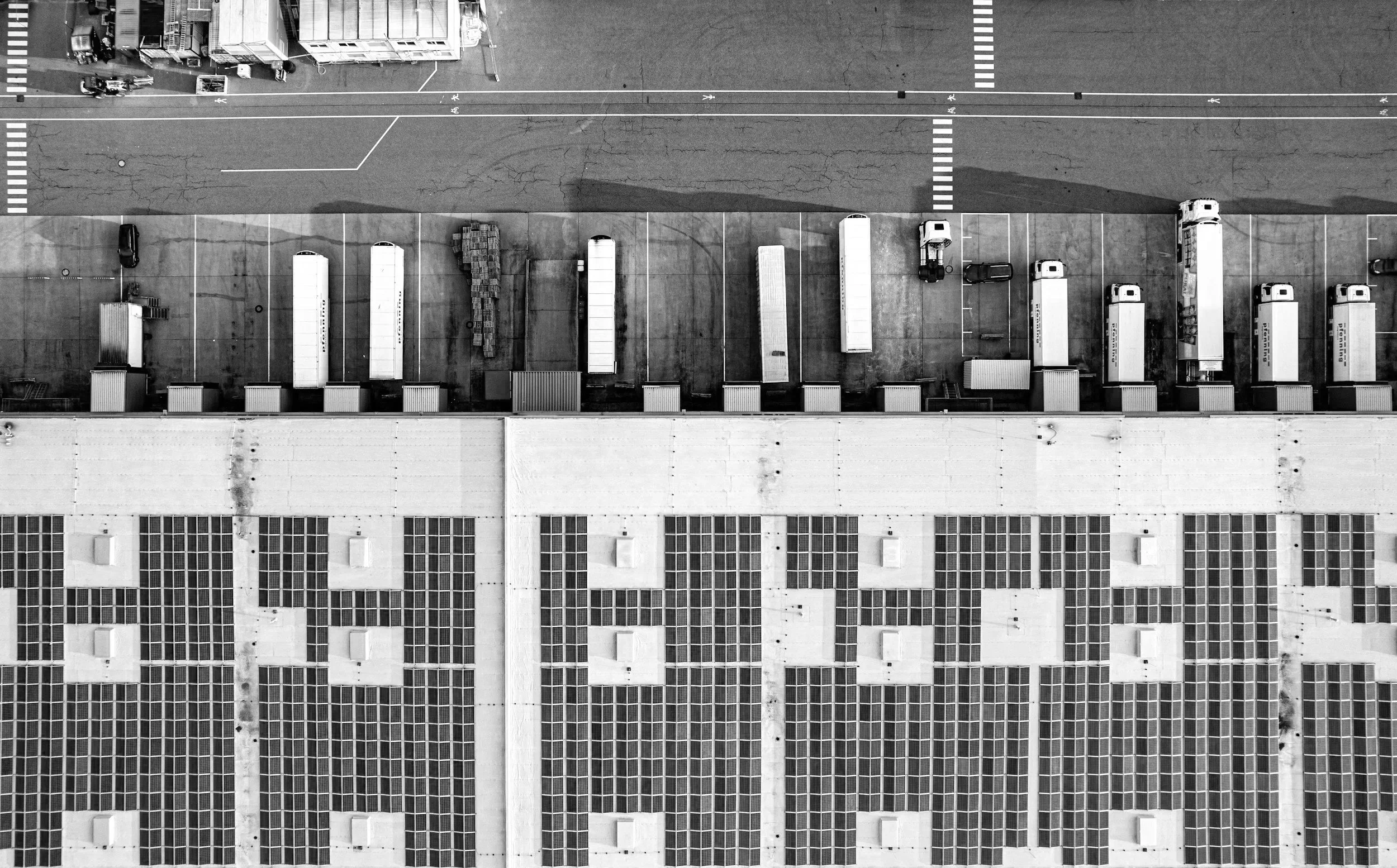
The Photovoltaic Industry: The Complete Guide for Business & Industry 2026
Over 90% of industrial roofs in Germany lie idle—yet they hold more than 33 GW of untapped solar potential. This guide explains the actual costs and benefits of a PV system on your industrial roof, as well as the regulatory considerations for 2026.

Solar Investment in 2026: How Much Does a Solar System Cost? An Overview of Costs, Incentives, and Payback Period
How much will a solar power system cost in 2026? This cost overview provides system prices by system type, battery storage costs, subsidies (IAB, KfW 270), and realistic payback periods—so your calculations are based on reliable figures.
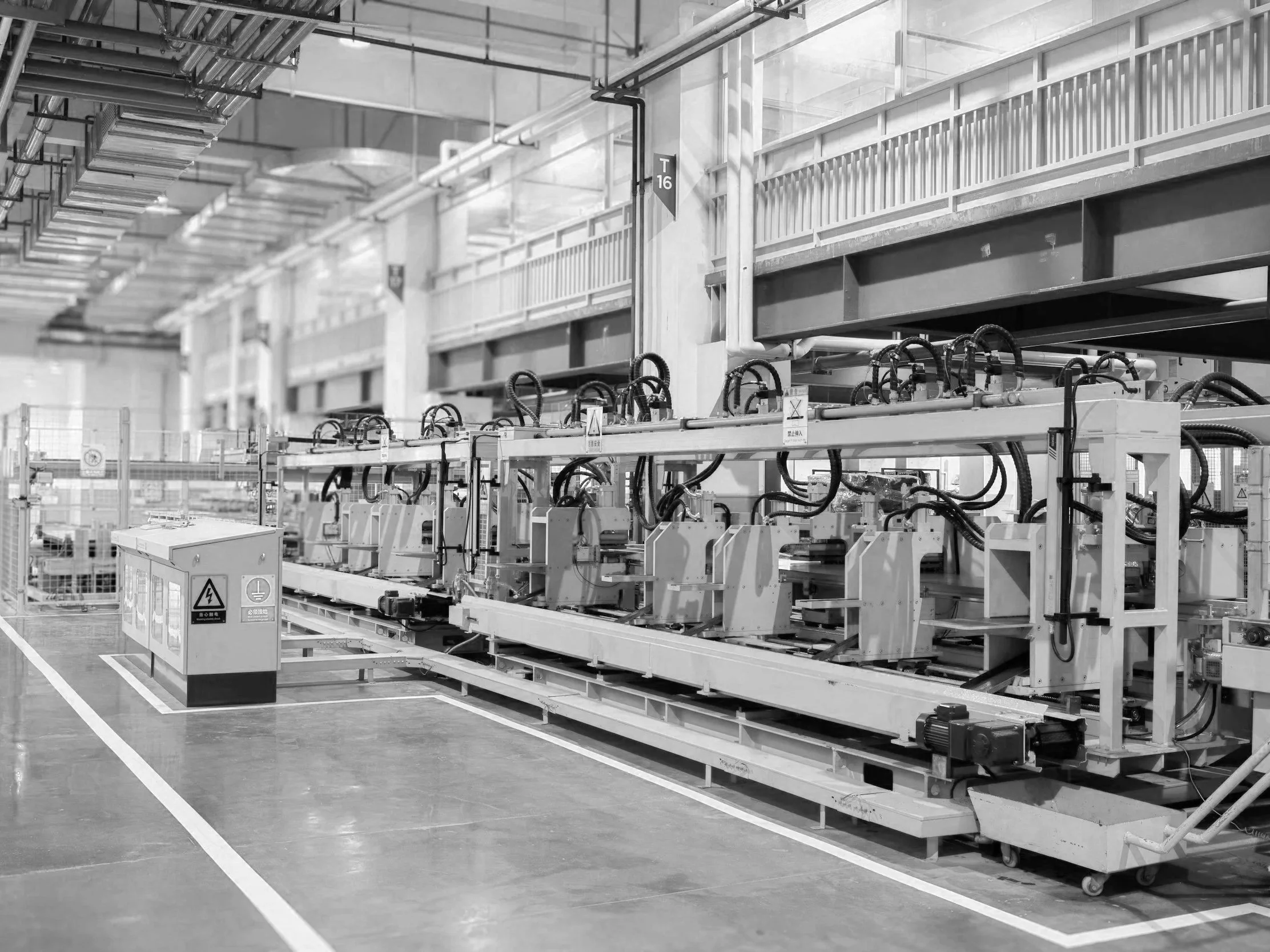
Solaranlage Rendite 2026: Drei Szenarien für Gewerbe und Industrie mit eigener Anlage
Three scenarios illustrate how investment, self-consumption, and grid feed-in affect the gross contribution of a commercial PV system. For a 500 kWp system, we calculate the impact of the electricity price—without a flat-rate return guarantee.
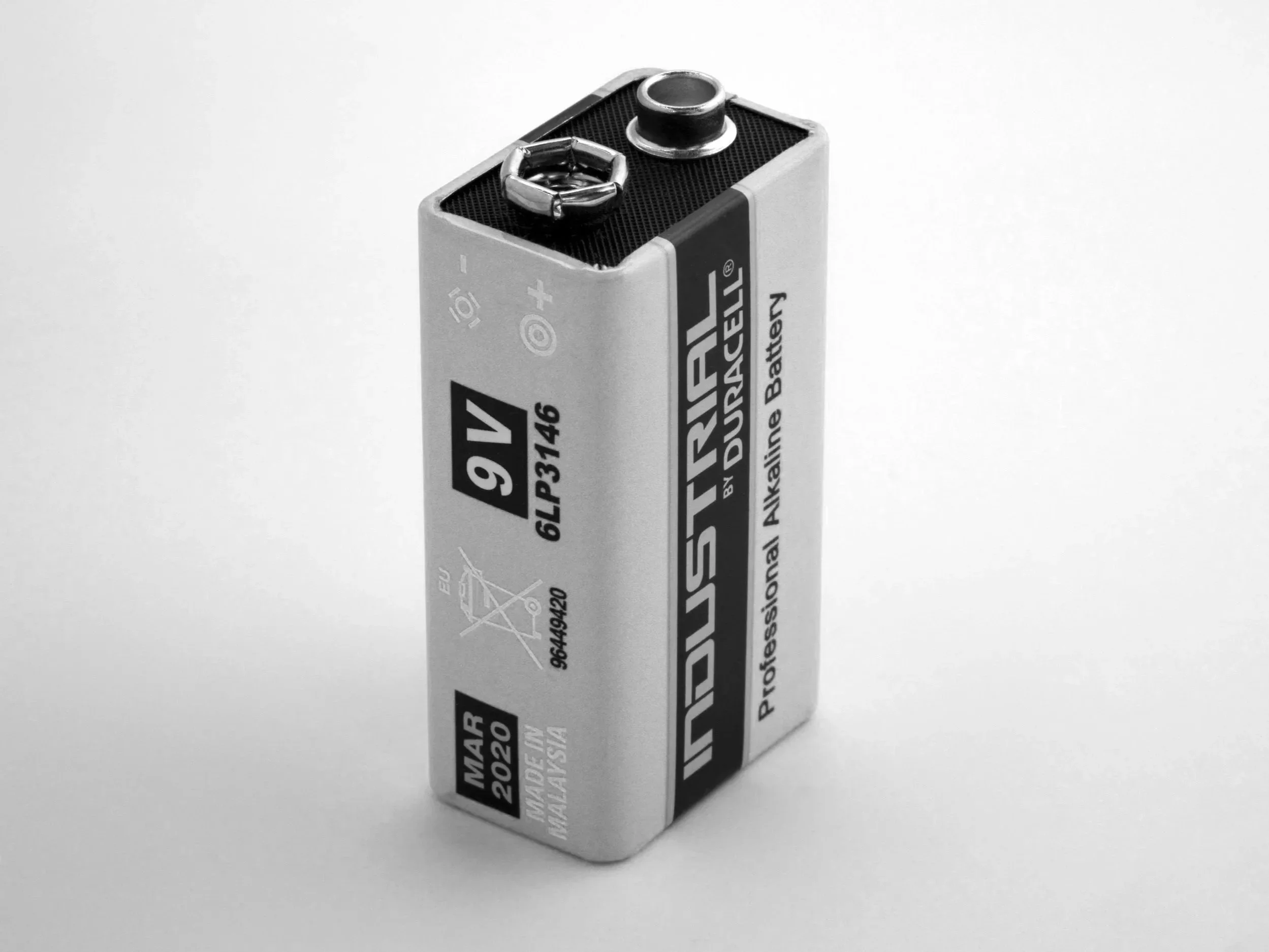
Battery Storage, Dynamic Rates, and Solar Power: What the 2026 Research Findings Reveal for Direct Investors
Two independent studies conducted in 2025/2026 provide the first empirical evidence of what battery storage, dynamic rates, and PV can achieve when combined—and why this model should be included in every investment due diligence process in 2026.