

News
Here you will find the latest analyses, market trends, and regulatory developments related to photovoltaics and energy storage. Our editorial team breaks down complex topics into easy-to-understand terms—with concrete recommendations for investors and businesses.
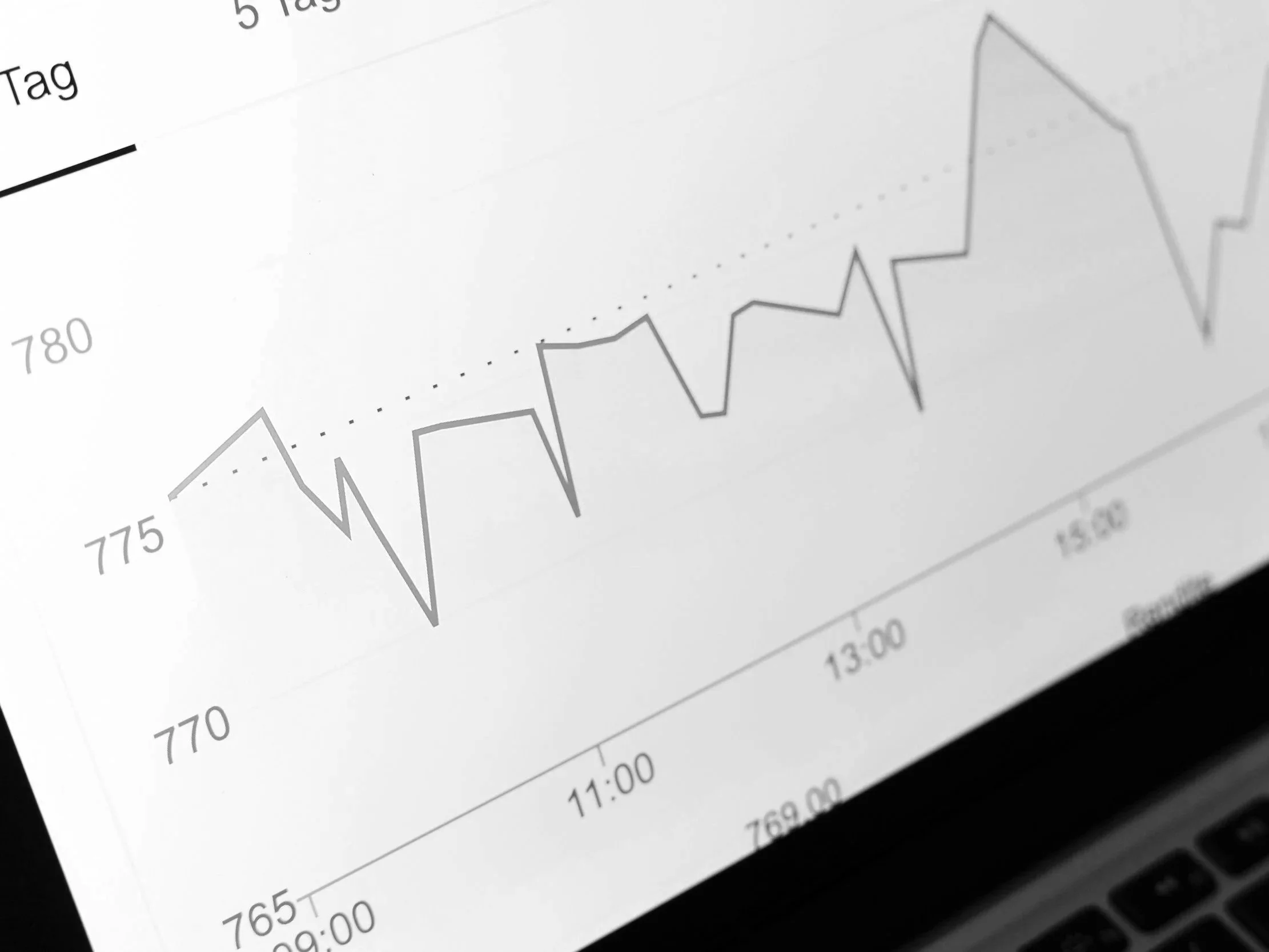
How will photovoltaic prices trend in 2026—and what does that mean for investments?
Module prices rose for four consecutive months through April 2026—the increase has stalled since July, and the trend for TOPCon is pointing slightly downward. Why the widely circulated explanation about export taxes doesn’t hold up, and why the module price is the wrong lever to adjust in terms of timing.
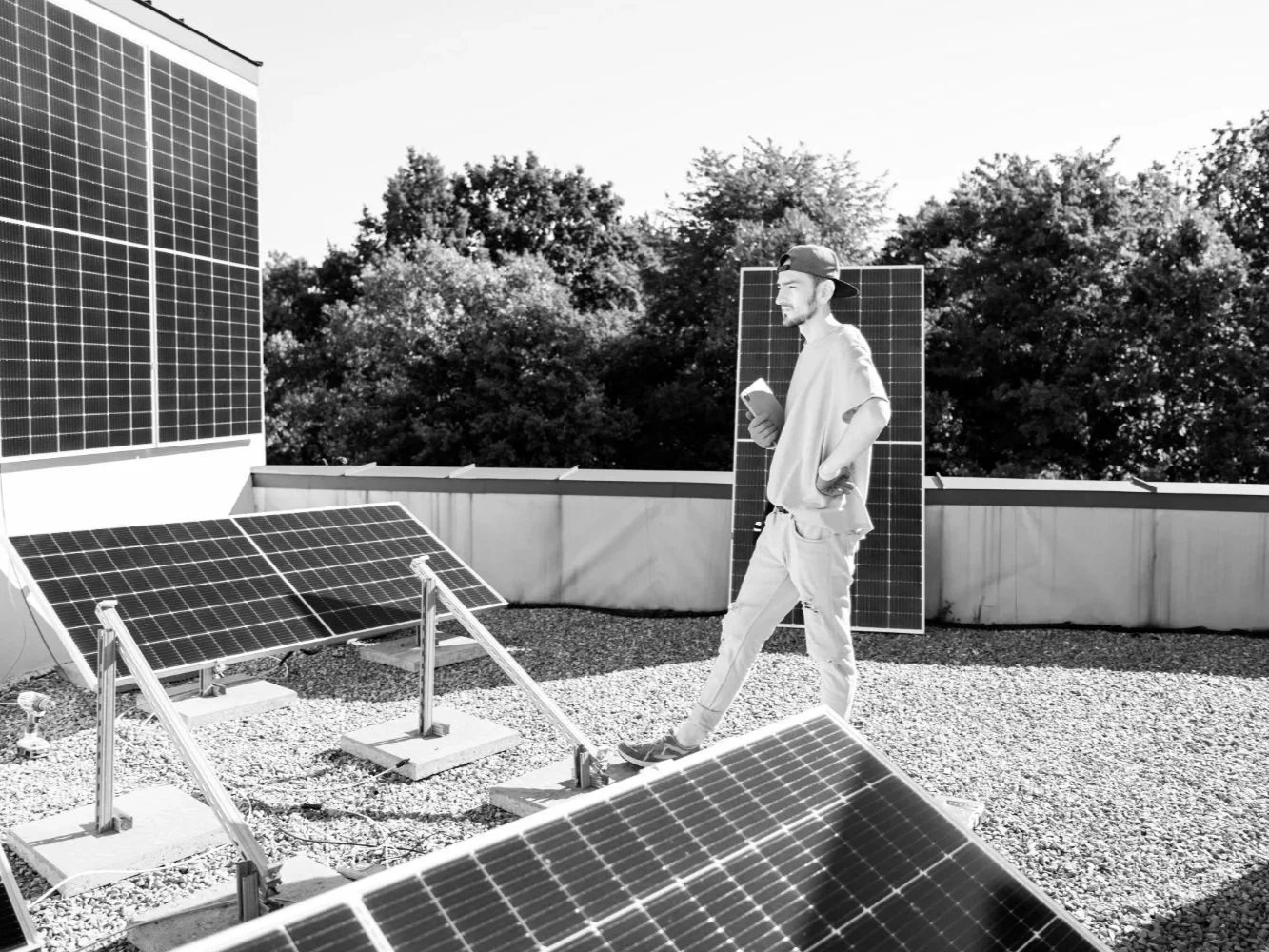
Photovoltaic Expansion in 2026: What the Numbers Mean for Investors and Businesses
Net PV capacity additions in the first half of 2026 totaled 7,931.1 MW—roughly on par with the previous year. However, the mix has shifted: For the first time, ground-mounted systems accounted for more capacity than all rooftop systems combined, while the number of new installations plummeted by 18 percent.
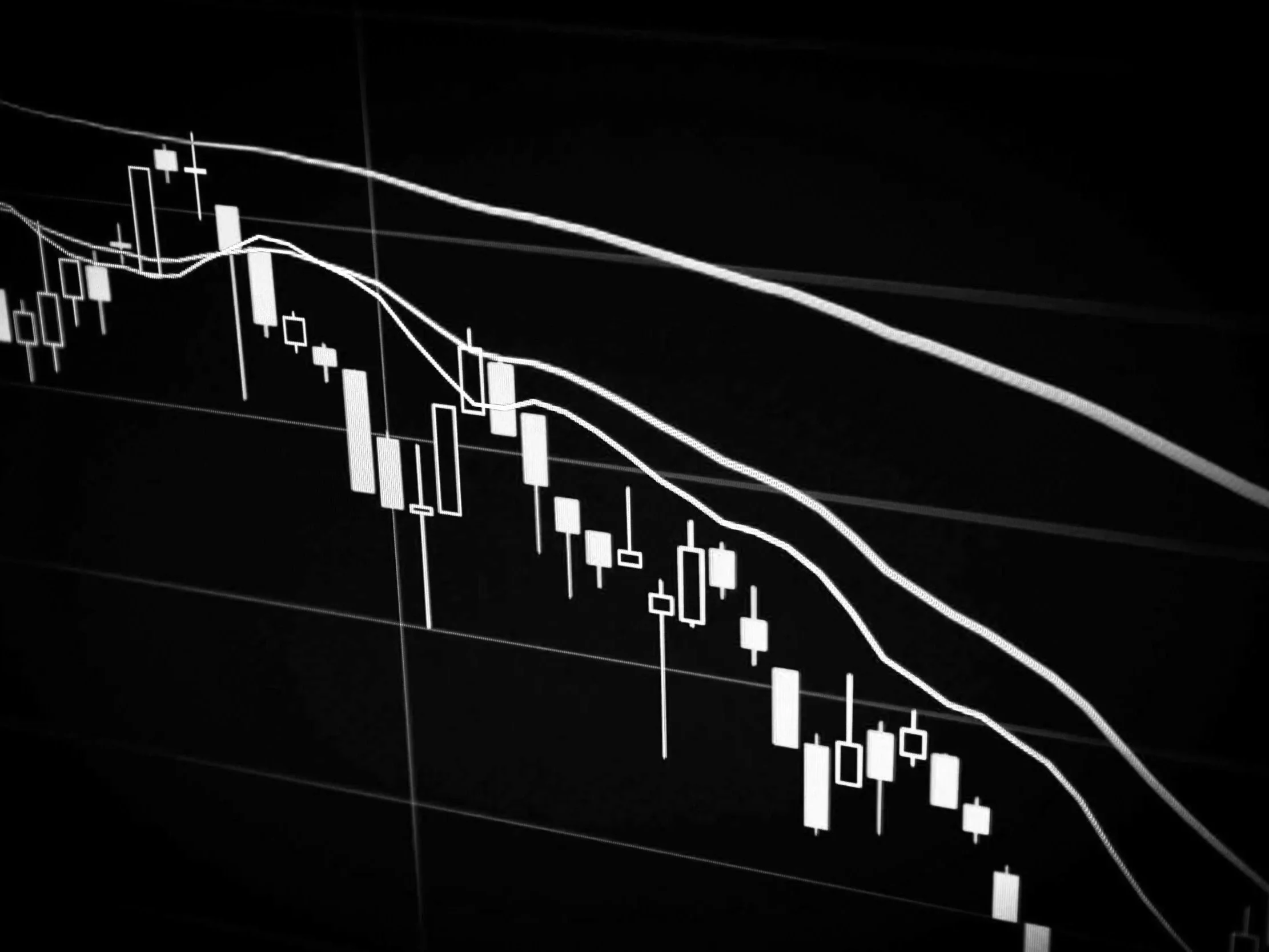
Negative Electricity Prices in 2026: How Often They Occur and What They Cost PV Investors
In 2025, the exchange price was below zero for 573 hours. How often do negative electricity prices occur, when exactly—and why it is not the exchange figure that counts for revenue calculations, but rather the figures reported by the transmission system operators.

Solar Power Systems with Battery Storage: What Co-Location Means for Return on Investment, Self-Consumption, and Cost-Effectiveness
Co-location combines a PV system and battery storage behind a single grid connection—resulting in a project IRR increase of approximately 29% due to shared infrastructure. An overview of technology, tax, and incentives for 2026.

PV Investment Italy 2026: Market Analysis, FER-X & Strategies
Italy’s subsidy framework has been back in place since August 2026: The FER-X Decree allocates 37.15 GW, and the strike price for photovoltaic power in the auctions is 80 euros per MWh. The application deadline for the first round is September 30, 2026. What this means for German investors—market, subsidies, permits, taxes.

EEG Feed-in Tariffs for 2026: What feed-in tariffs will apply starting in August—and what changes will the EEG 2027 bring?
What will the feed-in tariff be in 2026? Since August, the rates have been 7.70 ct/kWh (partial feed-in) and 12.22 ct/kWh (full feed-in). Here are all the rates by power class, trends since 2000, and the implications of the 2027 EEG reform for investors and businesses.

Direct Sales of PV Electricity in 2026: What Are the Benefits of the Market Premium—and What About the Exchange Price?
Direct sales of PV electricity tie revenue to the exchange—mandatory for systems over 100 kWp. Market value of solar power, market premium, costs, and four revenue strategies for 2026, with current ct values.

Photovoltaics vs. Lignite 2025: How Solar Power Surpassed Lignite and Natural Gas for the First Time
In 2025, solar power in Germany generated more electricity than lignite for the first time: approximately 87 TWh from solar versus 67 TWh from lignite, ranking second in the electricity mix behind wind. What this shift in the trend means for PV investors.

Peak Load Reserve: A New Market for Battery Storage – What Investors Need to Know in 2026
On January 22, 2026, a new market for instantaneous reserve capacity was launched in Germany. For the first time, battery storage systems can participate in this system service and thereby generate additional revenue. What this means for PV investors—opportunities, risks, and specific figures.

How will the KraftNAV reform affect PV investors and businesses?
KraftNAV determines who gets connected to the grid and when. Since the amendment in December 2025, it has been one of the most important factors for ground-mounted PV projects and battery storage systems—even for systems that do not fall within its scope.
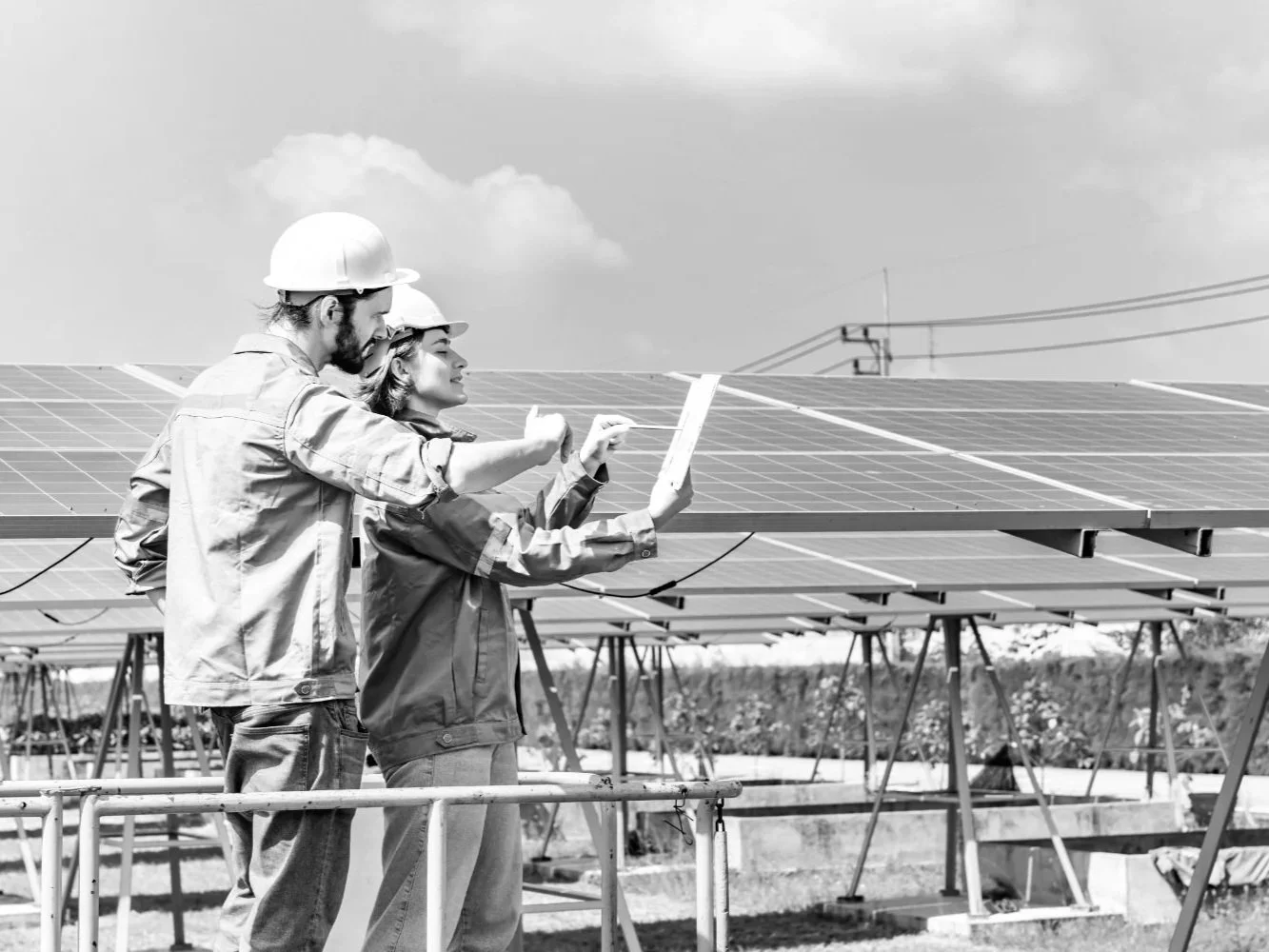
The European Solar Divide: Where PV Investors Can Still Find Returns in 2026
SolarPower Europe expects EU solar capacity additions to decline again for the first time in 2026. Spain added its largest capacity in 2025, at 13.4 gigawatts—with the lowest revenue per kilowatt-hour among the markets surveyed. What this means for the selection of countries.
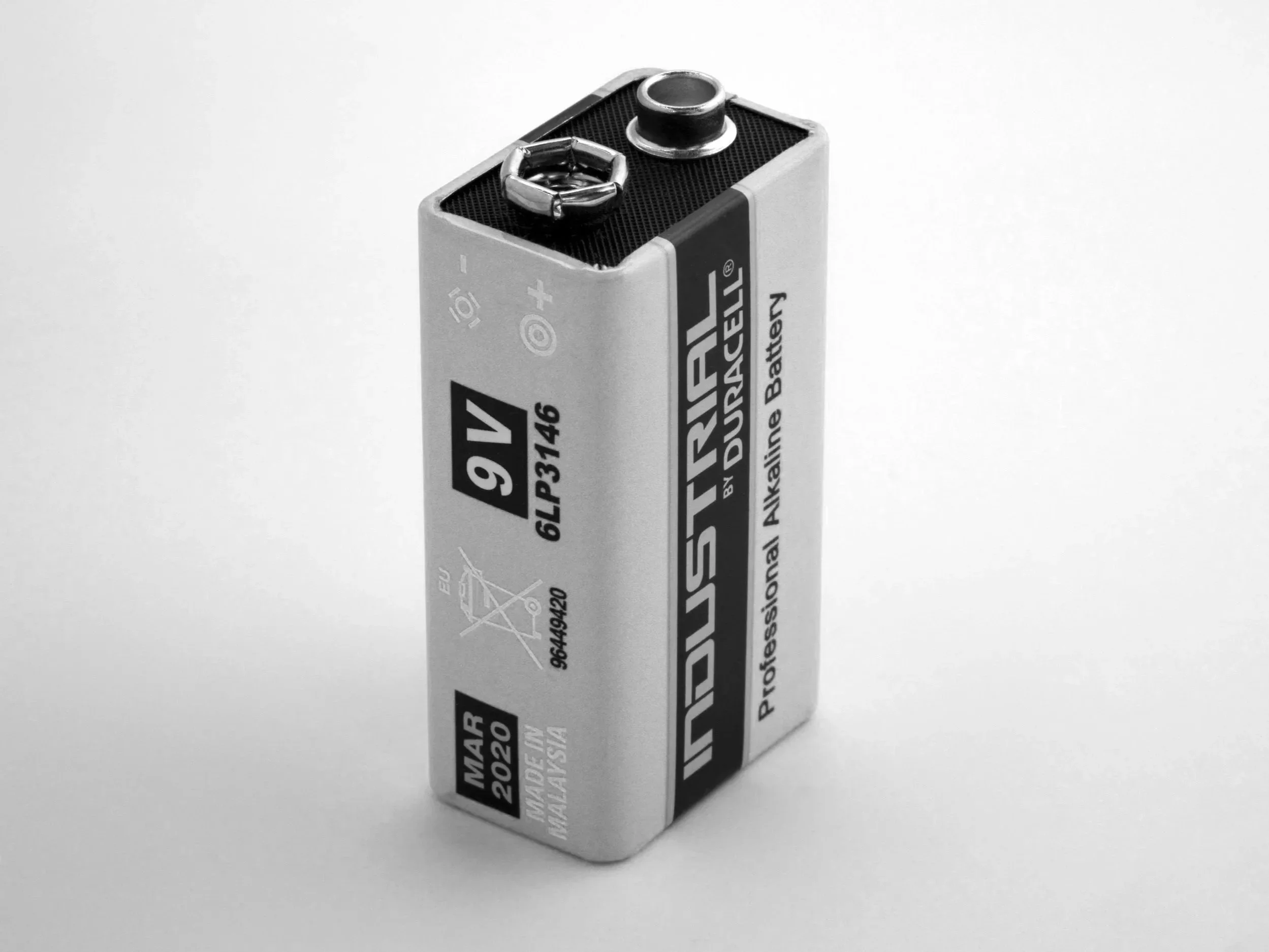
Battery Storage, Dynamic Rates, and Solar Power: What the 2026 Research Findings Reveal for Direct Investors
Two independent studies conducted in 2025/2026 provide the first empirical evidence of what battery storage, dynamic rates, and PV can achieve when combined—and why this model should be included in every investment due diligence process in 2026.